“We deliberately sought hard problems [. . . ] We delighted in forcing bigger, slower competitors to follow us over difficult ground.”
Paul Graham
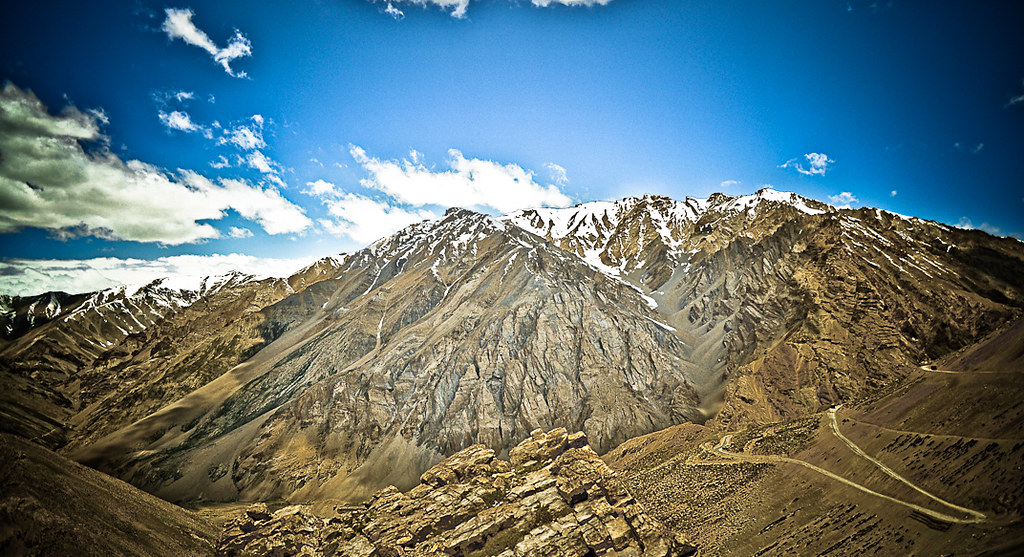
There is simply no competition in the higher echelons of difficulty. And even better if you’re the little guy who can move quickly.
I will never be taller than 4′ 11 and 3/4″. So naturally, growing up, I was even shorter and often chosen last in the things that matter so much to kids — Red Rover, basketball, volleyball. I developed a mentality of, “I’ll show them!” which is now referred to as a “chip on one’s shoulder,” I guess. That chip made me seek out the hardest things. I was enticed by my restlessness into doing whatever opportunity that required an inordinate amount of blood, sweat, and tears, just to prove myself worthy.
I suffered through law school, graduated at the top of my class in business school, and joined the United States Marine Corps at 25, carrying a 68 pound pack on a 15 mile hike (weighing 107 pounds at the time!). I passed out twice from heat exhaustion in what became the hottest recorded summer in the history of Virginia! I was on the prosecution team of one of the most highly publicized cases in modern military courts martial as a young lieutenant. When I finally looked back on my accomplishments, I realized that I was standing on top of a mountain with no company.
I’ve always tried to encourage people, especially young leaders, to join me in traversing over difficult ground. They’ve seen the rewards that it brings; I’ve tried to demonstrate them. Though I’ve noticed many times while describing my path to total freedom, their eyes glazed over with a look of exhaustion, “I’m already tired,” they’d say, after hearing about my journey. And the point is that everyone gets tired on difficult ground, but the quick and nimble are less tired than the lumbering giants who eventually give up or never even try. It may all be uphill but there’s no traffic.
It takes a special person to say, “I’m already exhausted but let’s just keep on doing the next right thing.” On that 15-miler, for hours on end, I repeated over and over, “1 – 2 – 3 – 4, United States Marine Corps.” Convincing myself that all I had to do was simply take the next 4 steps. The difficulty level in the Marine Corps, and most worthwhile things in life, is a barrier to entry. But once you break through, the competitive advantage on the other side is that there’s no competition. You have a monopoly over the fruits of your labor. With every opportunity that can be classified as easy or hard, always choose the difficult ground!

 One Ladder Project